Section / longer reads
Guilin field notes
Essays on the twenty-yuan landscape, rice-terrace engineering, climbing, and river life.
5 notes / longer reads
In this section
05
entries in the ledger
The practical guides tell you what to do. These notes explain why the valley looks the way it does: the banknote view, the climbing culture, the engineering of the terraces, the cormorants, and the wartime airbase that shaped modern Guilin.
Field desk / updated 14 Nov 2026
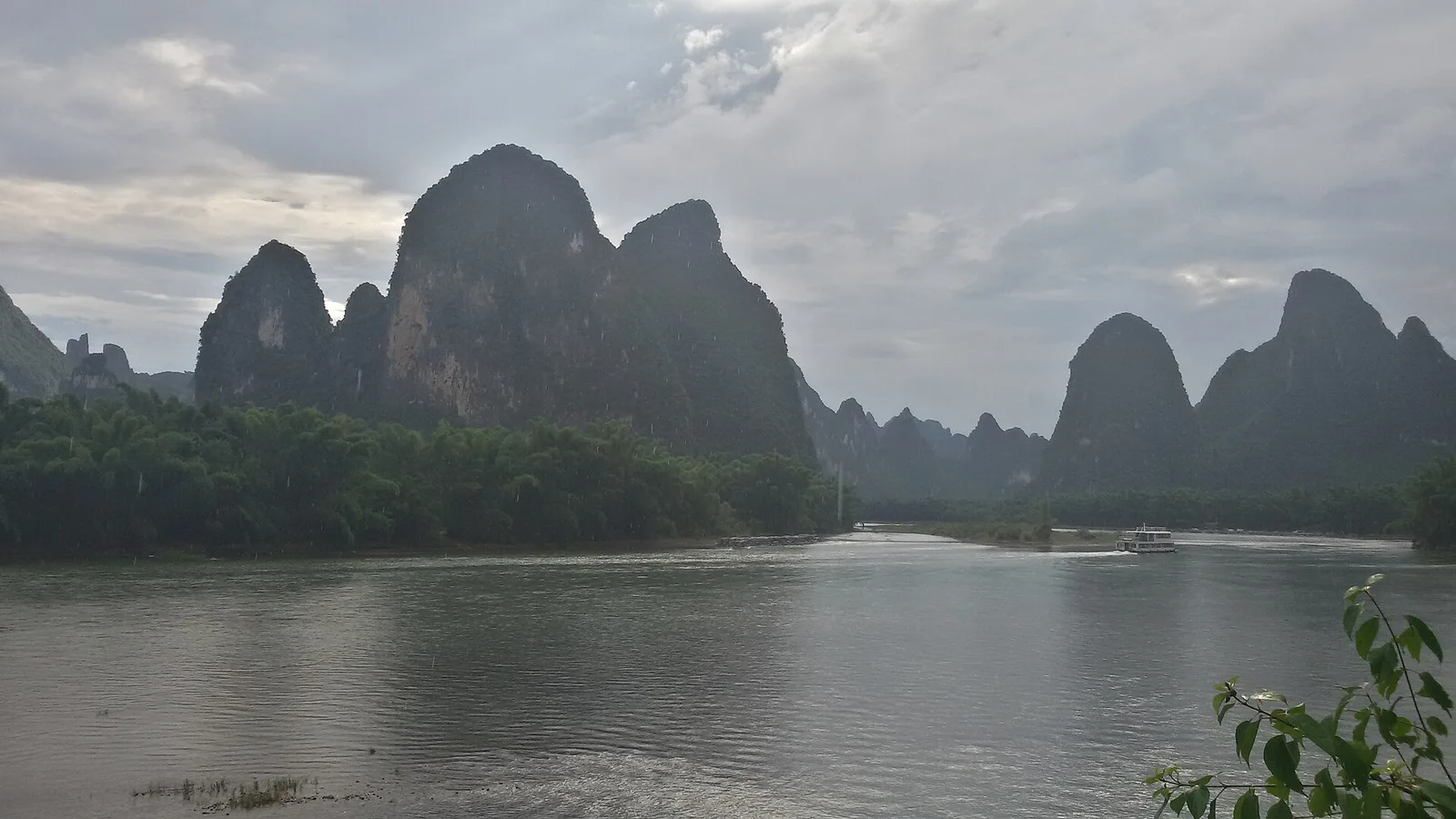
The twenty-yuan note landscape
How a bend in the Li River became the picture in every Chinese wallet, and why the spot still matters.
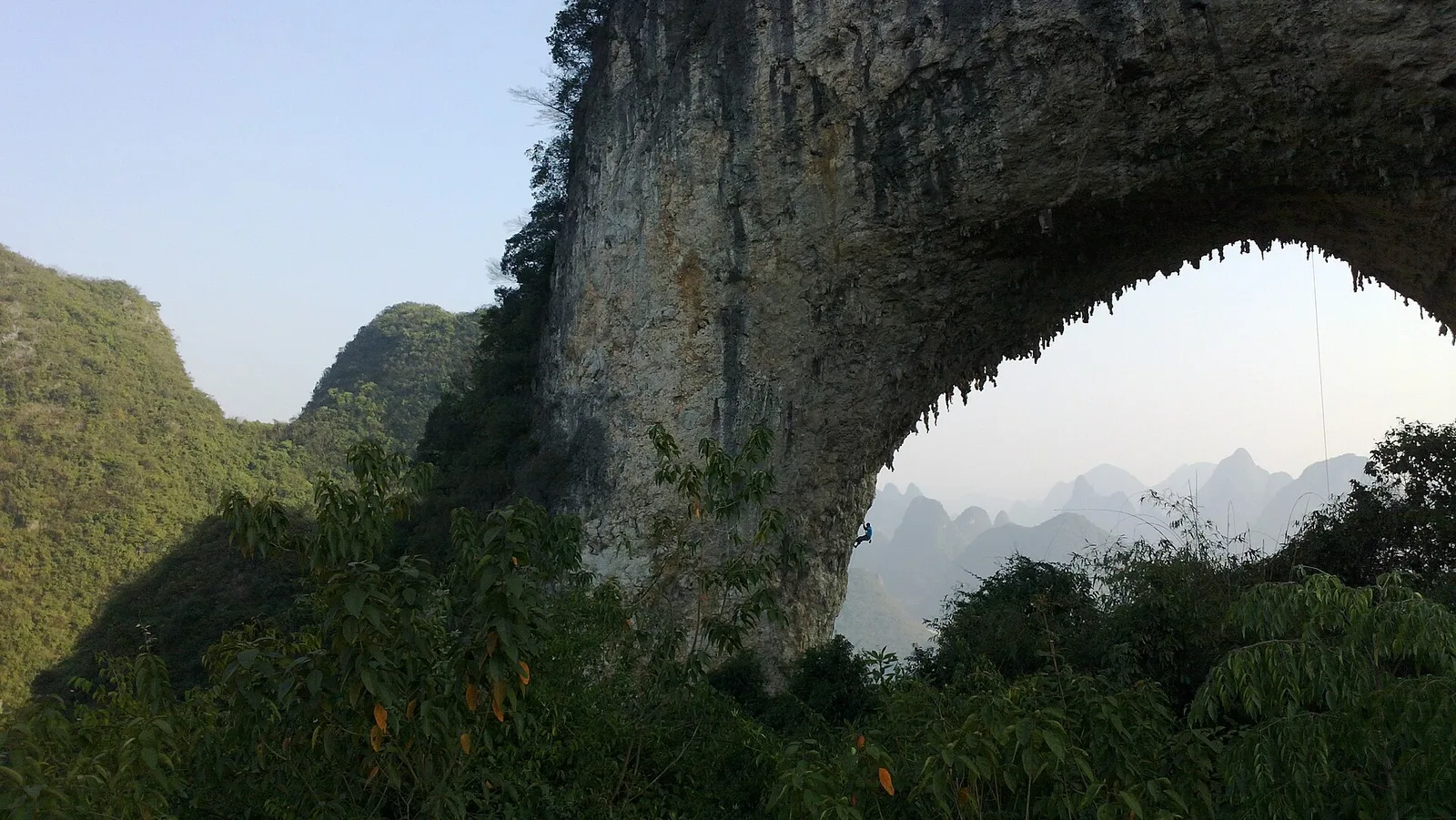
Climbing in Yangshuo
How a rice-farming valley became one of Asia's best limestone climbing destinations.
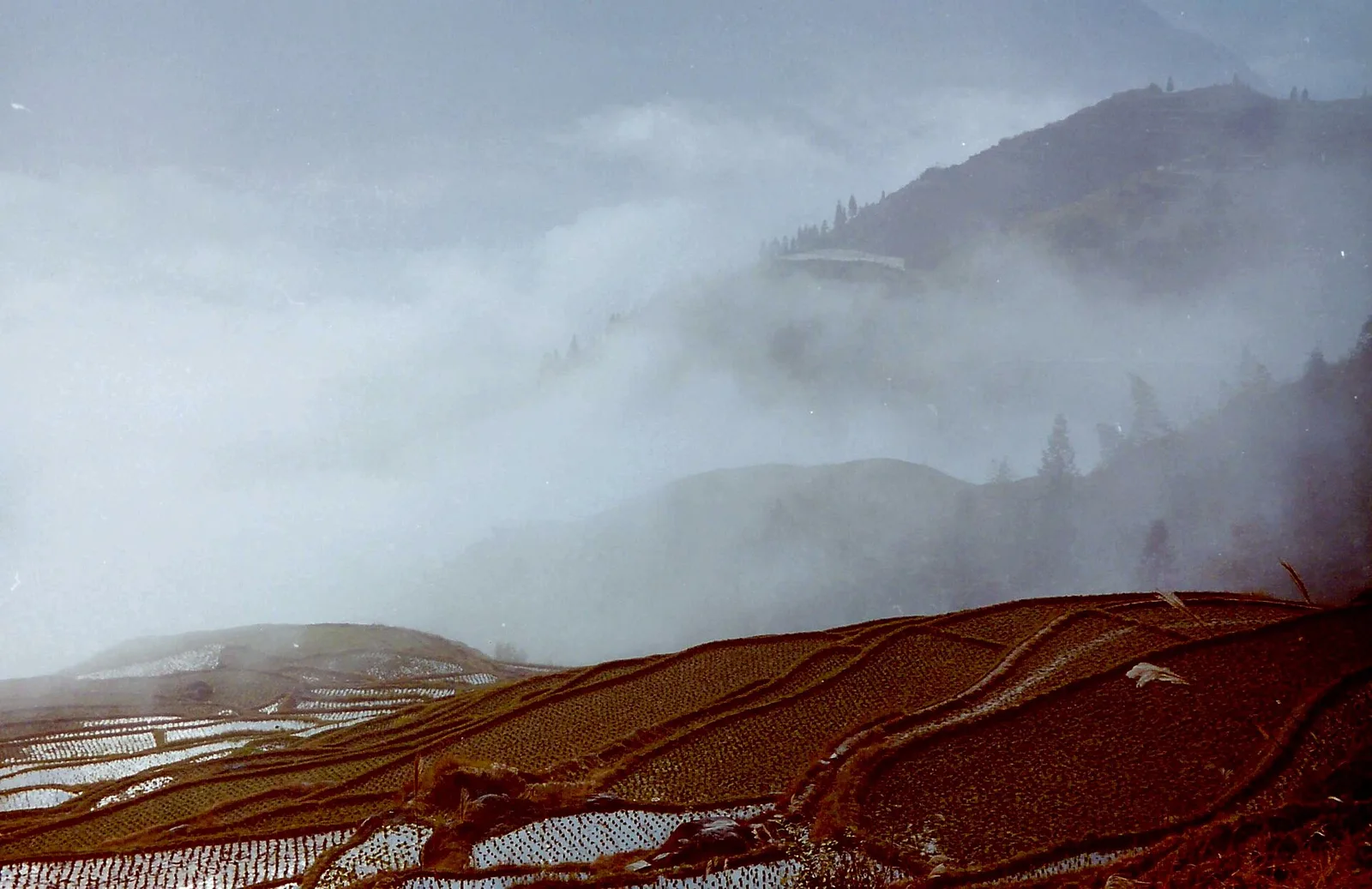
How the rice terraces work
A 700-year-old system of channels, forest, and community labour that turns steep mountains into farmland.

Cormorant fishing on the Li River
The birds, the boats, and the tourism that keeps a fading practice visible.
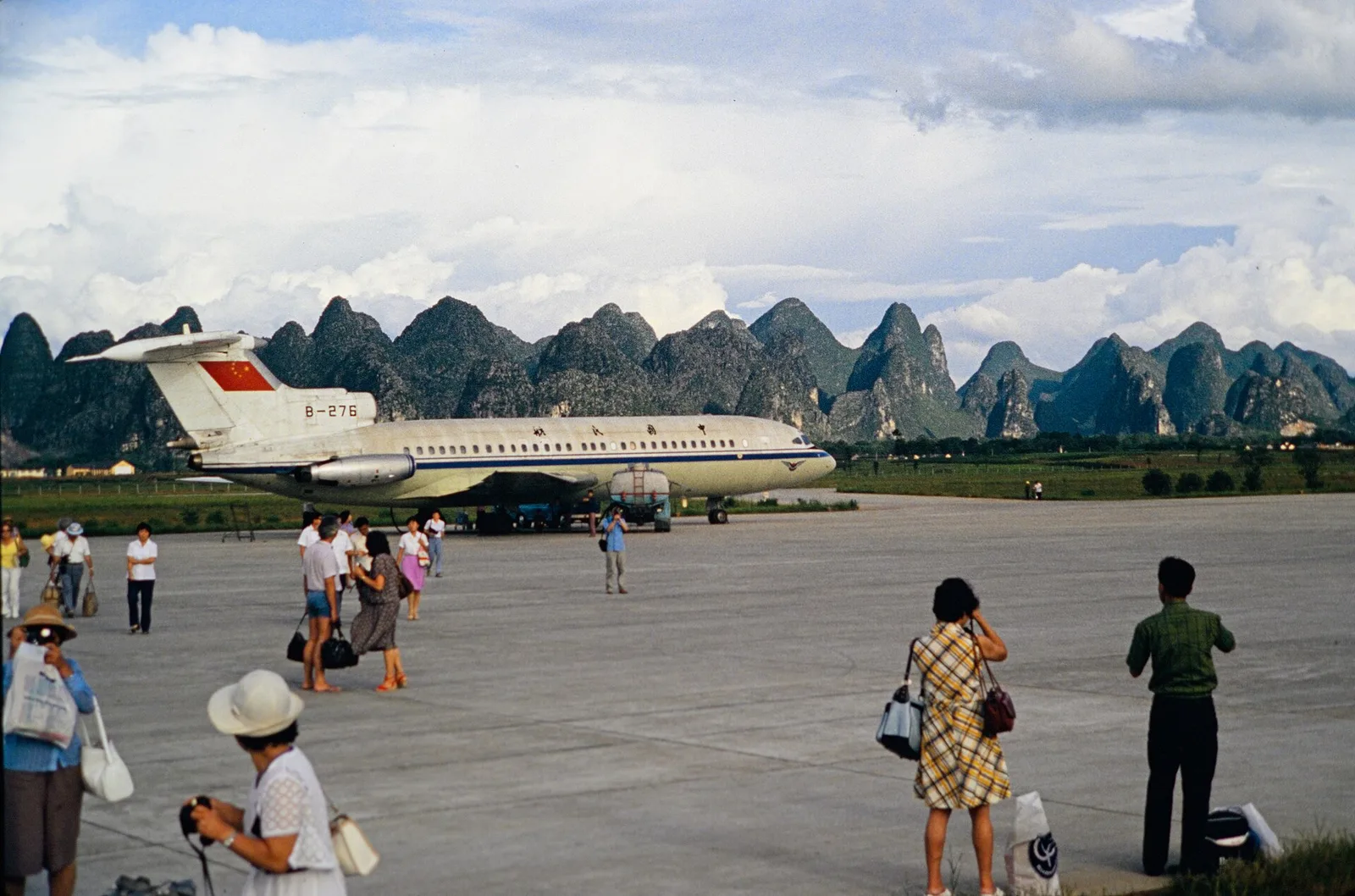
Guilin's wartime airbases
The karst city was a major Allied airbase in the Second World War, and the landscape hid some of its secrets.