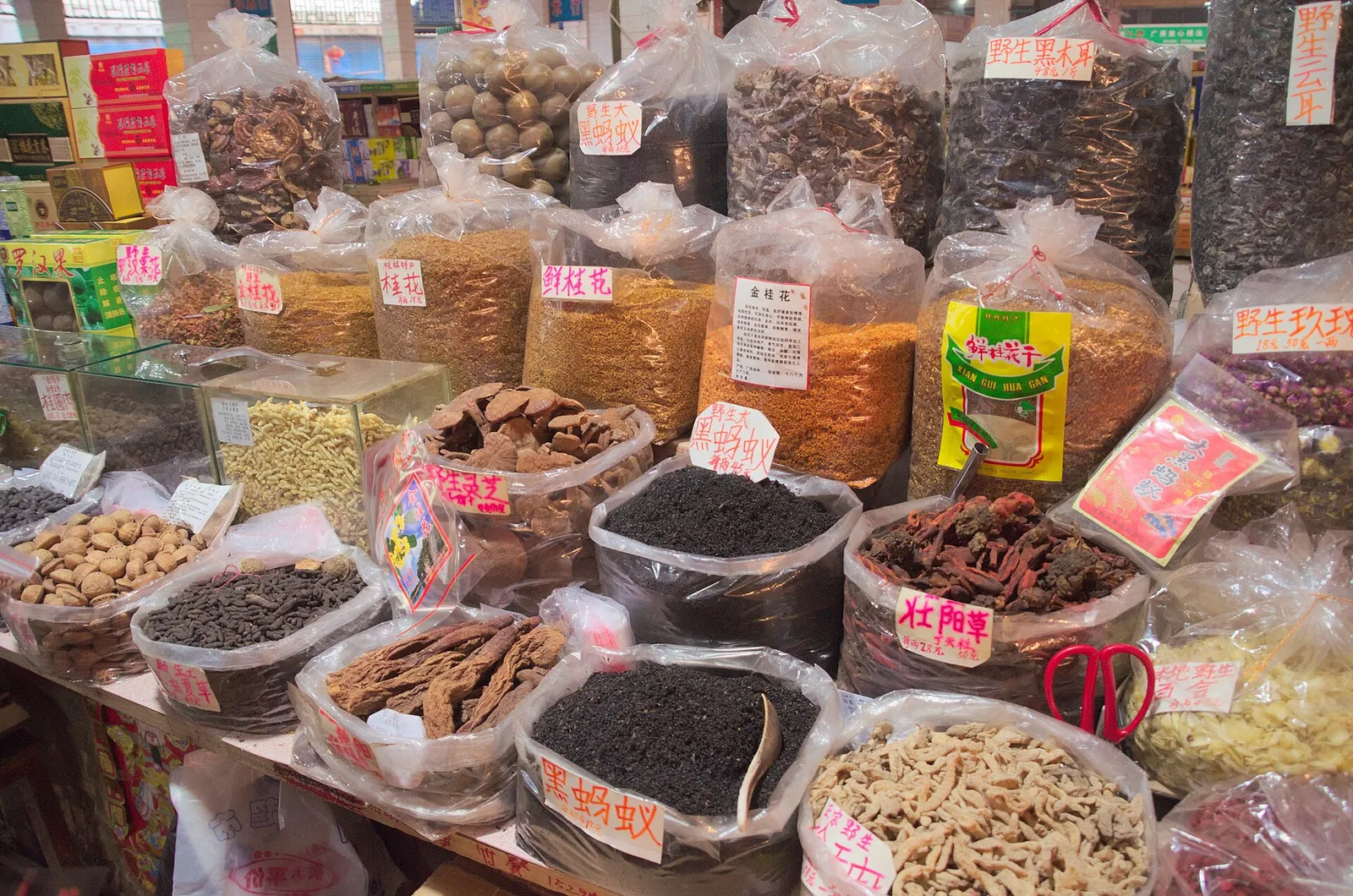
Guilin's neighbourhood markets open before the streets fill. Produce arrives in crates and baskets, stallholders arrange it into tight pyramids, and the first customers come with trolleys and toddlers. There are river fish, tofu, pickles, bamboo shoots, taro, citrus, and herbs, plus a row of breakfast stalls at the edge. This is where restaurants shop and grandmothers negotiate. It is not a crafted tourist experience, which is exactly why it is worth an hour.
In short
Go between 6:30 and 9am, bring small cash as a backup, ask before photographing people, and eat breakfast at a stall on the way out. The nearest market is usually a short walk behind a main road.
Before you book
Prices and schedules change
Reserve the fixed-time items first, then build the rest around the weather. If you are deciding between two versions of the trip, send both.
What you will see
The produce follows the season. Autumn and winter bring citrus, pomelo, chestnuts, taro, and water chestnuts; spring brings bamboo shoots, greens, and wild herbs; summer is stone fruit, cucumbers, and chilli. There is usually a fish section with river species on ice or in tanks, a tofu stall, and a row of pickles and fermented beans.
You may also see live poultry and butchery, which is normal in a working Chinese market and not staged for visitors. If that is difficult to see, walk on; the rest of the market is vegetables, fruit, and dry goods. The point is not to treat the place as a spectacle.
How to buy
Prices are per jin (斤, 500g). Point at what you want and hold up fingers for the quantity; a calculator or phone screen works if the numbers get complicated. Small purchases are fine. Haggling over a few yuan is not expected from visitors; asking for a fair price and smiling is enough.
QR payment is everywhere, but foreign cards sometimes fail. Carry ¥50–100 in small notes as backup and keep it separate from your phone. Do not hand your phone to a stranger to "help" with a payment. The payments briefing covers the apps.
The etiquette
Ask before photographing a person's face or stall. A gesture toward the camera and a questioning look is usually enough. Many stallholders will agree; some will not, and that is fine. Do not photograph children without a parent's consent.
Watch the floor: it is wet, and scooters move through the aisles. Keep bags in front of you, do not block a stall to take a photo, and step aside when someone is carrying a crate. The market is someone's workplace first.
Breakfast at the edge
Most markets have a breakfast row: noodle shops, fried dough, steamed buns, soy milk, and rice rolls. Eat where the workers eat, standing or on a stool. A bowl of noodles and a cup of soy milk costs less than ¥15.
This is the natural pairing with the rice-noodle morning: market first, noodles second, or the other way round. The food hub explains what you are looking at, and the city centre guide lists the neighbourhoods where markets are easiest to find.
Verdict
Go early, buy fruit, eat standing. One hour that explains more than a museum.
Next in the manual
04 linksField desk / direct line
Not sure this fits your trip?
Send the dates, the group, and what you are deciding between. The field desk will tell you what to cut and what to keep.
Independent advice. No bookings, no commissions, no visa service.