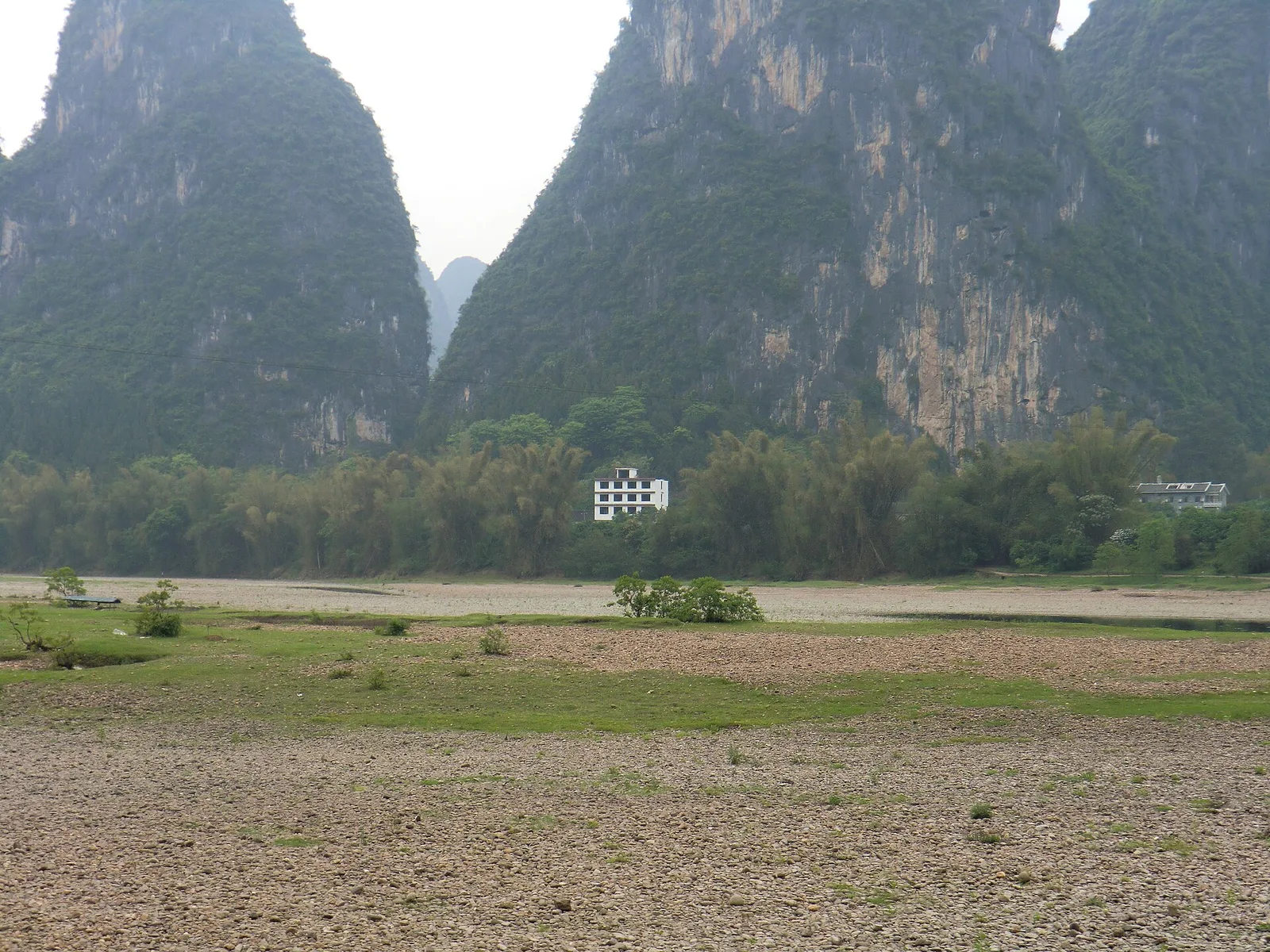
The Li River is managed by a series of dams and gates, but it still responds to rainfall. Water levels determine whether rafts and cruise boats run, how clear the water is, and what the landscape looks like. The river is usually low and clear from October to February, and high and brown from May to July. Neither is simply better: low water exposes sandbars, high water brings mist and drama, and both can disrupt plans.
In short
Expect the highest water and most cancellations from May to July. The clearest water is from October to January. Check conditions before booking a raft or cruise in the rainy season.
Before you book
Prices and schedules change
Reserve the fixed-time items first, then build the rest around the weather. If you are deciding between two versions of the trip, send both.
The annual cycle
The monsoon arrives in southern China in spring. March and April bring steady rain, May and June bring the heaviest downpours, and July can still see flood peaks. The river rises quickly in the narrow sections and carries sediment, turning brown. By October the rain has eased, the river drops, and the water clears.
Winter is the low season for water. Sandbars appear, some side channels close, and the river looks narrower. This is not a problem for the main cruise, which runs on a deep channel, but it can affect smaller rafts and the Yulong River. The month pages give the typical conditions for each month.
How cruises are affected
The Li River cruise operates year-round when conditions allow, but high water can force cancellations or shorten the route. The decision is made by the river authorities, often in the morning, based on upstream inflows and dam releases. If the level is too high or the current too strong, boats stay at the pier.
Cancellations are most common in May, June, and July, during or after heavy rain. Refund policies vary by operator; confirm before you book. The cruise ticket briefing explains the booking channels. The rainy day plan has alternatives.
Rafts and the Yulong
Bamboo rafts are more sensitive to water levels than the big cruise boats. On the Yulong River, low water can ground rafts at the weirs, and high water can make the current dangerous. Operators suspend rafts when the river is too high or too fast. The Yulong River guide explains the routes.
On the Li River, the Yangdi–Xingping raft also depends on conditions. If the water is high, the raft may not run; if it is low, the route may be shortened. Check on the morning of your trip rather than assuming.
Why rain can be good
The classic Guilin photographs are often made in mist, not clear sun. Rain and humidity create the layered, ink-painting effect that makes the karst famous. A wet day can be atmospheric, provided you have the right gear and a flexible plan.
The risk is not the rain itself but the logistics: cancelled boats, slippery steps, and closed roads. Keep a backup plan and do not book a tight connection around a river trip in the wet season. The photography guide explains the light.
Verdict
Check the river before you book in summer. Low water is reliable; high water is dramatic but disruptive.
Next in the manual
04 linksField desk / direct line
Not sure this fits your trip?
Send the dates, the group, and what you are deciding between. The field desk will tell you what to cut and what to keep.
Independent advice. No bookings, no commissions, no visa service.