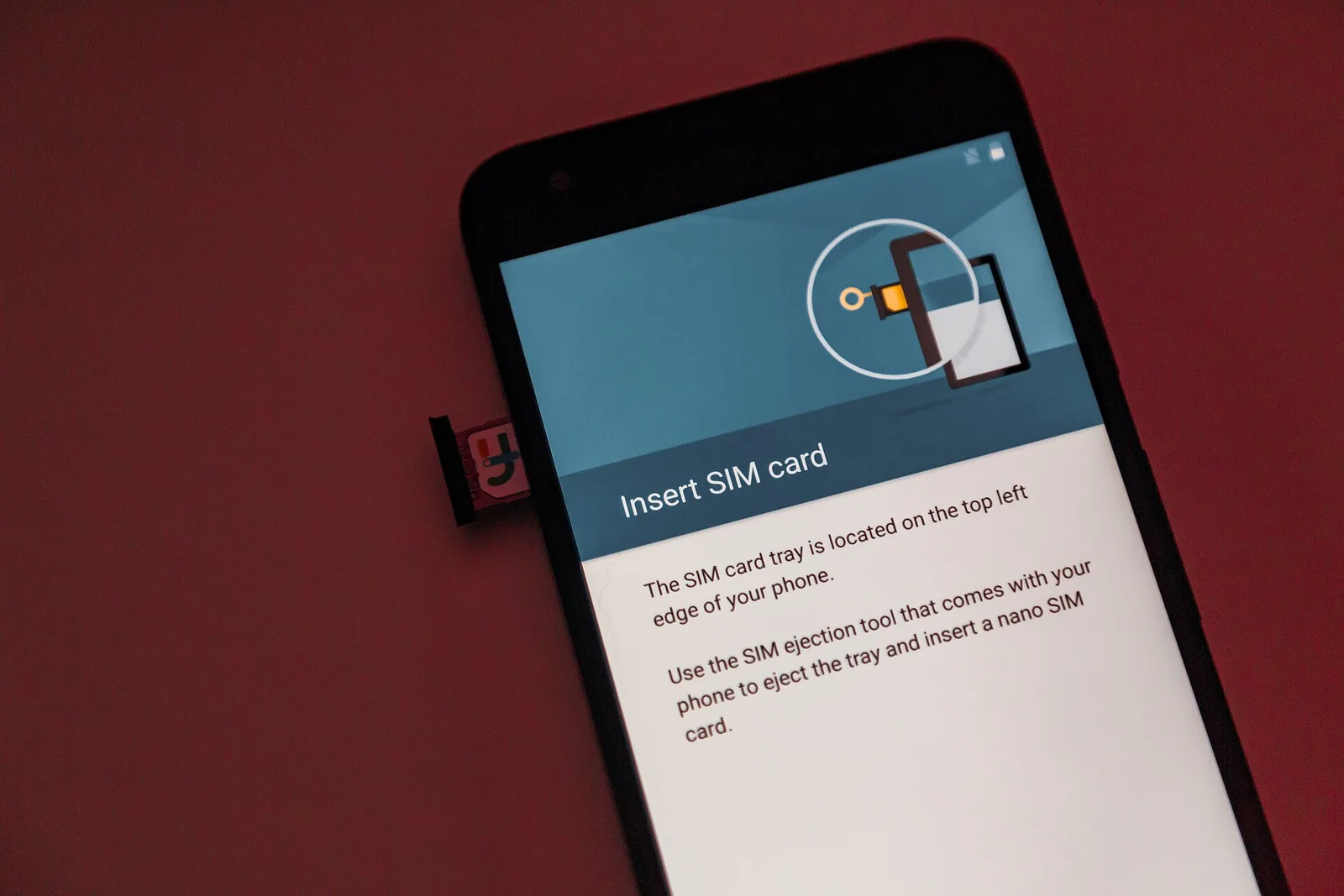
Internet access in China requires planning. Many Western apps and services are blocked on Chinese networks, and hotel Wi-Fi is subject to the same restrictions. A travel eSIM that routes data outside mainland China avoids the blocks and works as soon as you land. Local SIM cards are cheaper but require registration and do not bypass restrictions.
In short
Buy a travel eSIM before you arrive, install it at home, and use it for maps, messaging, and payments. Do not rely on hotel Wi-Fi for blocked services.
Why a travel eSIM
Travel eSIMs from international providers route data outside mainland China, so apps that are normally blocked continue to work. They are more expensive than local SIMs but far more convenient. You can install one before departure and activate it on landing.
Check that your phone supports eSIM and is unlocked. Install the profile at home, test it, and keep your home SIM active for calls if needed. The payments briefing explains why connectivity matters for Alipay.
Local SIM cards
A local SIM from China Mobile, Unicom, or Telecom is cheaper for heavy data use, but requires passport registration at a shop. It does not bypass the blocks. If you need Western apps, a local SIM alone is not enough; you would also need a VPN, which can be unreliable.
For a short trip, the eSIM is almost always the better choice. For a long stay, a local SIM plus a VPN may be cheaper. The language briefing covers translation apps that work offline.
Wi-Fi and coverage
Hotels, cafés, and restaurants usually offer Wi-Fi, but speeds vary and the same restrictions apply. Do not plan to use hotel Wi-Fi for banking or blocked apps. Mobile coverage is good in Guilin, Yangshuo, and the main villages; Longji has signal in most guesthouses but can be patchy on the trails.
Download offline maps and translation packs before you go. The getting around briefing explains navigation apps.
Power and adapters
China uses 220V, 50Hz, with Type A and Type I sockets. Most hotels have universal outlets or adapters, but bring one. A power bank is useful for long days of photography and navigation. The packing advice is covered in the month pages.
If you are working remotely, test video calls on the eSIM before you rely on them. Speeds are usually adequate, but latency varies.
Verdict
Travel eSIM installed before departure. Local SIM only for long stays.
Next in the manual
04 linksField desk / direct line
Not sure this fits your trip?
Send the dates, the group, and what you are deciding between. The field desk will tell you what to cut and what to keep.
Independent advice. No bookings, no commissions, no visa service.